The short answer
Write down five things your family won’t know: where everything is and who can open it, what you have (a simple ledger, with your most valuable coins listed first), what you want done with it, who they can trust, and what not to do. Keep the record with the collection, keep combinations and passwords separate, show it to your estate attorney, and look it over once a year.
Why a written record matters
When a collector is gone and nothing is written down, the same things tend to happen. Rare coins get sold for melt. Someone cleans them. A complete set gets split up. The first person who calls ends up with everything.
Most of that happens in the first few weeks, and almost all of it can be avoided if you leave a few clear pages behind. You don’t need to value every coin, and you don’t need to be finished in one sitting. A weekend is plenty to get started.
A simple order to work in
- Start with a one-page summary. What the collection is, roughly how big it is, and where it’s kept.
- List your most valuable coins first. If you only get this far, your family still knows which coins matter.
- Build the ledger. Then work through the rest, a group at a time.
- Add the people. Who to call, and who not to trust.
- Write a short letter in your own words.
- Set a yearly review, for example on your birthday or at tax time.
What to put in your ledger
One line per coin, or per group, such as “roll of 40 silver quarters.” For each line, record:
| Column | Why it helps |
|---|---|
| Coin (type and denomination) | So a non-collector can find it |
| Date and mint mark | Often the difference between melt and collector value |
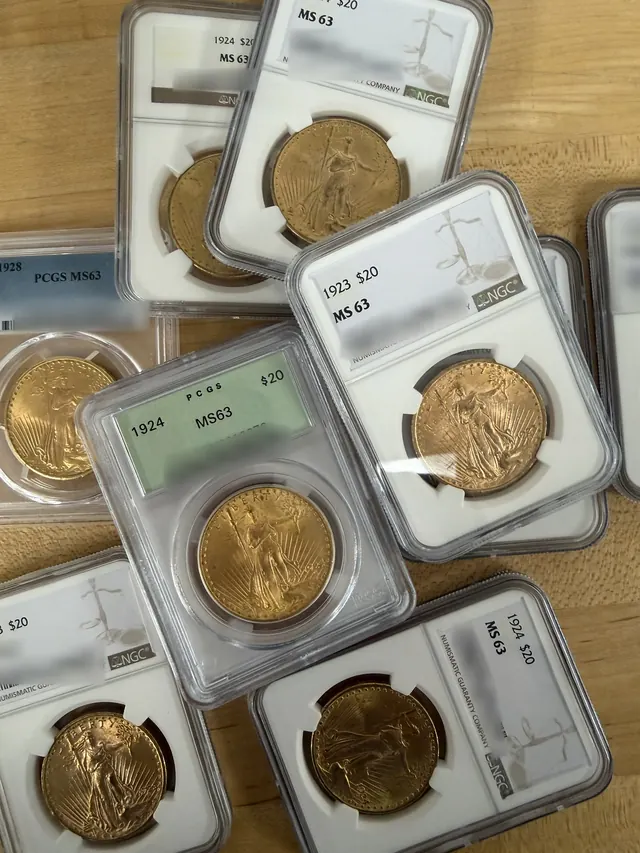
| Grade and cert number | Lets anyone verify a certified coin on the PCGS or NGC site |
| Where you bought it, and what you paid | Context for your family and their CPA |
| Estimated value, with the date | Optional. Always date an estimate, because values change |
| Where it’s stored | So nothing is missed |
A spreadsheet is easier to keep up to date than paper, and it can total your silver and gold ounces for you. Print a copy each year to keep with the collection.
Who to call, and who not to trust
Name the dealers, club members, or advisers you’d trust, with their contact details. Then give your family a short checklist for anyone new: membership in the Professional Numismatists Guild (PNG) or the American Numismatic Association (ANA), years in business, itemized written offers, and no pressure to sell the same day.
Spell out the warning signs too: unsolicited calls after a death notice, a flat price for the whole collection before anyone has looked, and buyers who discourage a second opinion.
What not to do: say it in writing
Your family will listen to you more than to a stranger. Write it plainly:
- Don’t clean any coin.
- Don’t split up sets, rolls, or albums.
- Don’t open certified holders.
- Don’t sell a group for melt before the dates are checked.
- Don’t accept the first offer. Get two or three in writing.
Write a letter in your own words
A page or two is enough: what the collection meant to you, what you’d like done with it, and anything special, such as coins you’d like a particular person to have. If you plan to pass certain coins to a grandchild, say which ones and why. A coin with its story written down is something they’ll understand and keep.
A letter isn’t a will. Your will or trust decides who inherits, so keep the two consistent and show your record to your estate attorney.
Where things are kept, and how to keep secrets safe
List every location: the home safe, the closet shelf, the bank safe-deposit box. Say who can open each one.
But never write safe combinations, passwords, or PINs in the record itself. Use a two-envelope method: the record says where things are and who can open them, and the secrets go to one trusted person separately.
Keep it current
Look the record over once a year. Add new purchases, cross out what you’ve sold, and update any dated estimates. Note the date of each review so your family knows how current it is.
Your family will also need the date-of-death values for taxes one day. A dated, current record makes that much easier. See inherited coin collection taxes.
What to do next
Start with the free Collection Record, a one-page sheet you can fill in this weekend. When you want the full version, The Coin Collector’s Legacy Pack ($24) includes an 8-chapter guide, 10 fill-in forms (including A Letter to My Family, My Most Valuable Coins, a 48-row ledger, Who Gets What, and an Annual Review Record), and a 400-row ledger workbook.
Questions
How do I document a coin collection for my family?
Make a ledger of what you have (most valuable coins first), list where everything is kept and who can open it, name the people your family can trust, write what not to do, and add a short letter. Keep it with the collection and review it yearly.
Should I put my safe combination in the record?
No. Keep combinations and passwords out of the record. Give them to one trusted person separately.
Do I need to know what my coins are worth?
No. Value estimates are optional. If you add one, write the date next to it, because values change.
Is a collection record the same as a will?
No. It’s a record of your collection and wishes. Your will or trust decides who inherits. Show the record to your estate attorney.
Educational only. This isn’t an appraisal, a price guarantee, an offer to buy or sell, or legal or tax advice. Coin values change daily. The views are the author’s own.